
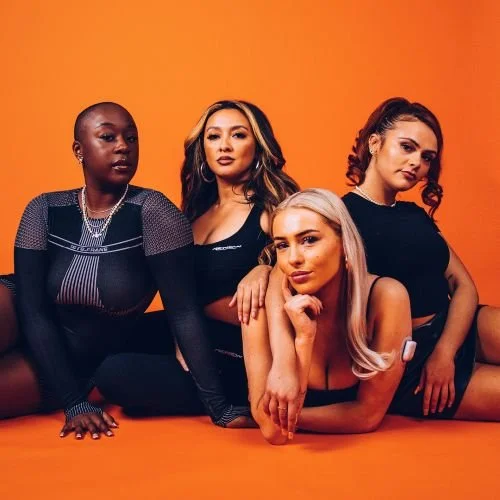
Who Is Girls Don’t Sync? Full Biography, Members, Style & Rise to Fame
Introduction
Girls Don’t Sync is one of the fastest-rising female DJ collectives redefining modern electronic music culture. Known for their explosive energy, genre-blending sets, and viral social media presence, the group has quickly built a reputation as a must-see act in clubs and festivals across the UK and beyond.
In an industry traditionally dominated by male DJs, Girls Don’t Sync stands out not just for their talent, but for their bold identity, inclusive message, and refreshing approach to performance. This in-depth article explores who Girls Don’t Sync really is, including their full background, members, musical style, rise to fame, and what makes them so influential today.
Who Is Girls Don’t Sync?
Girls Don’t Sync is a UK-based all-female DJ collective made up of four members:
- Matty Chiabi
- Sophia Violet
- G33
- Feminine Hi-Fi
The group is known for delivering high-energy DJ sets that mix multiple genres, including house, UK garage, bassline, and techno. Rather than focusing solely on technical perfection, they prioritize crowd connection, atmosphere, and fun—an approach that resonates strongly with modern audiences.
Their name, “Girls Don’t Sync,” is both playful and symbolic, challenging traditional expectations in DJ culture while emphasizing individuality and creativity.
Full Biography of Girls Don’t Sync
Formation and Background
Girls Don’t Sync emerged from the UK’s vibrant underground club scene, where each member was already building experience as a DJ. By joining forces, they created a collective that amplified their reach and brought a fresh dynamic to nightlife culture.
The group’s identity was shaped by:
- A shared passion for club music
- A desire to break barriers for women in DJing
- A focus on creating unforgettable live experiences
Their collaborative approach allowed them to stand out in a competitive music landscape.
Rise to Fame
Girls Don’t Sync’s rise can be largely attributed to the power of social media and viral content. Clips of their live sets quickly gained traction on platforms like TikTok and Instagram, introducing them to a global audience.
Key factors behind their rapid growth include:
- Viral DJ performance clips
- Strong visual branding and personality
- Consistent engagement with fans online
- High-energy, unpredictable live sets
As their online popularity grew, so did real-world demand. They began securing bookings at major clubs and festivals, expanding their presence internationally.
Members of Girls Don’t Sync
Each member contributes a unique style and personality to the group:
Matty Chiabi
Known for her energetic stage presence and dynamic mixing style, Matty brings intensity and charisma to every set.
Sophia Violet
Sophia adds a refined musical taste and deep understanding of club culture, helping shape the group’s sound.
G33
G33 is recognized for her bold track selections and ability to keep crowds engaged with unexpected transitions.
Feminine Hi-Fi
With a strong connection to bass-driven sounds, Feminine Hi-Fi enhances the group’s versatility and edge.
Together, they form a cohesive unit that thrives on chemistry and shared energy.
Musical Style and Sound
Girls Don’t Sync is not limited to one genre. Their sets are defined by diversity and adaptability, often including:
- UK Garage
- House and Tech House
- Bassline
- Drum and Bass elements
- Club classics and remixes
Their performances are designed to build momentum, keeping audiences engaged from start to finish. They are known for reading the crowd and adjusting their sets in real time, which is a key factor in their popularity.
Meaning Behind the Name “Girls Don’t Sync”
The name “Girls Don’t Sync” carries both humor and deeper meaning.
In DJing, “sync” refers to beatmatching tracks perfectly using technology. By rejecting this concept in their name, the group:
- Challenges traditional DJ norms
- Emphasizes creativity over perfection
- Pushes back against gender stereotypes
- Celebrates individuality and authenticity
The name reflects their broader mission: to make DJ culture more inclusive, fun, and expressive.
Why Girls Don’t Sync Is So Popular
1. High-Energy Performances
Their sets are known for being lively, engaging, and unpredictable, making them a favorite among clubgoers.
2. Strong Social Media Presence
They have mastered the art of digital engagement, using short-form video content to showcase their talent and personality.
3. Relatable Image
Unlike more traditional DJs, they present themselves as approachable and authentic, which resonates with younger audiences.
4. Cultural Relevance
They are part of a new wave of artists shaping the future of electronic music, especially within Gen Z culture.
5. Female Representation
Their success contributes to increasing visibility for women in electronic music, inspiring others to enter the scene.
Key Facts About Girls Don’t Sync
- They are a four-member DJ collective from the UK
- Their popularity surged through viral social media content
- They specialize in multi-genre DJ sets
- Their performances focus on crowd energy rather than technical perfection
- They are regular performers at clubs and festivals
- Their branding combines music, fashion, and digital culture
Influence on Modern DJ Culture
Girls Don’t Sync represents a shift in how DJs connect with audiences. Instead of focusing purely on technical skills, they emphasize:
- Experience over perfection
- Personality over image
- Community over exclusivity
This approach aligns with the evolving expectations of modern music fans, who value authenticity and engagement.
They are also part of a broader movement that blends music with content creation, making DJs more accessible and visible than ever before.
Future of Girls Don’t Sync
The group’s trajectory suggests continued growth and influence. Potential developments in their career include:
- Original music releases
- Collaborations with global artists
- Expansion into larger festival circuits
- Brand partnerships in fashion and lifestyle
Their current momentum indicates that they are not just a trend, but a lasting presence in the electronic music scene.
Conclusion
Girls Don’t Sync is more than just a DJ group—they are a cultural force shaping the future of club music. With their unique identity, powerful performances, and strong connection to fans, they have carved out a space that challenges norms and celebrates creativity.
For anyone asking “Who is Girls Don’t Sync?”, the answer is clear: they are a bold, innovative collective redefining what it means to be a DJ in today’s world.